
Racing · Gloria Scarsi · MS-Racing
What the Brakes Knew: Gloria Scarsi's 2026, in Data
Gloria Scarsi went from 11th to 4th in the World Cup overall, won the European title and took the first Fox US Open. Her braking was logged all season, pre-season included. Here's what showed up, and what you can steal for your own riding.
By Jerome Lacote, BrakeAce
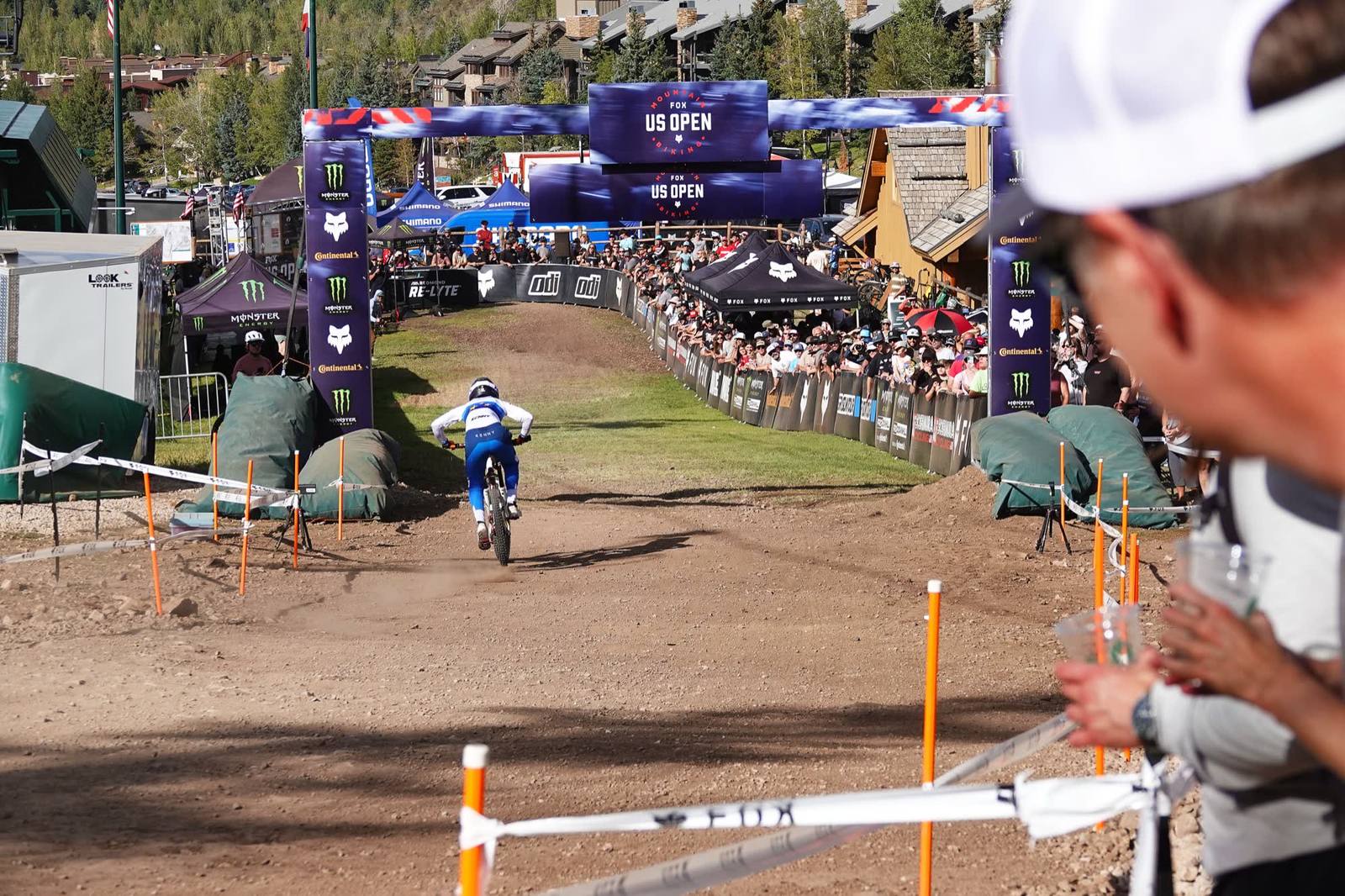
In April 2024, Gloria Scarsi was an enduro racer with a bold plan. She had just finished fourth in the Enduro World Cup and announced that downhill would be her main discipline from then on. The women's World Cup field doesn't make room for converts.
Two and a half seasons later, nobody calls her a convert. "Outsider" doesn't fit anymore. "Contender" does.
To be fair, she was never a typical convert. Before enduro she raced on the track, and in 2018 she came home from the velodrome in Aigle with four junior European titles (scratch, elimination, team pursuit and madison). She was also part of Italy's junior world-champion team pursuit squad that summer. So when things get physical, she isn't exactly short of engine.
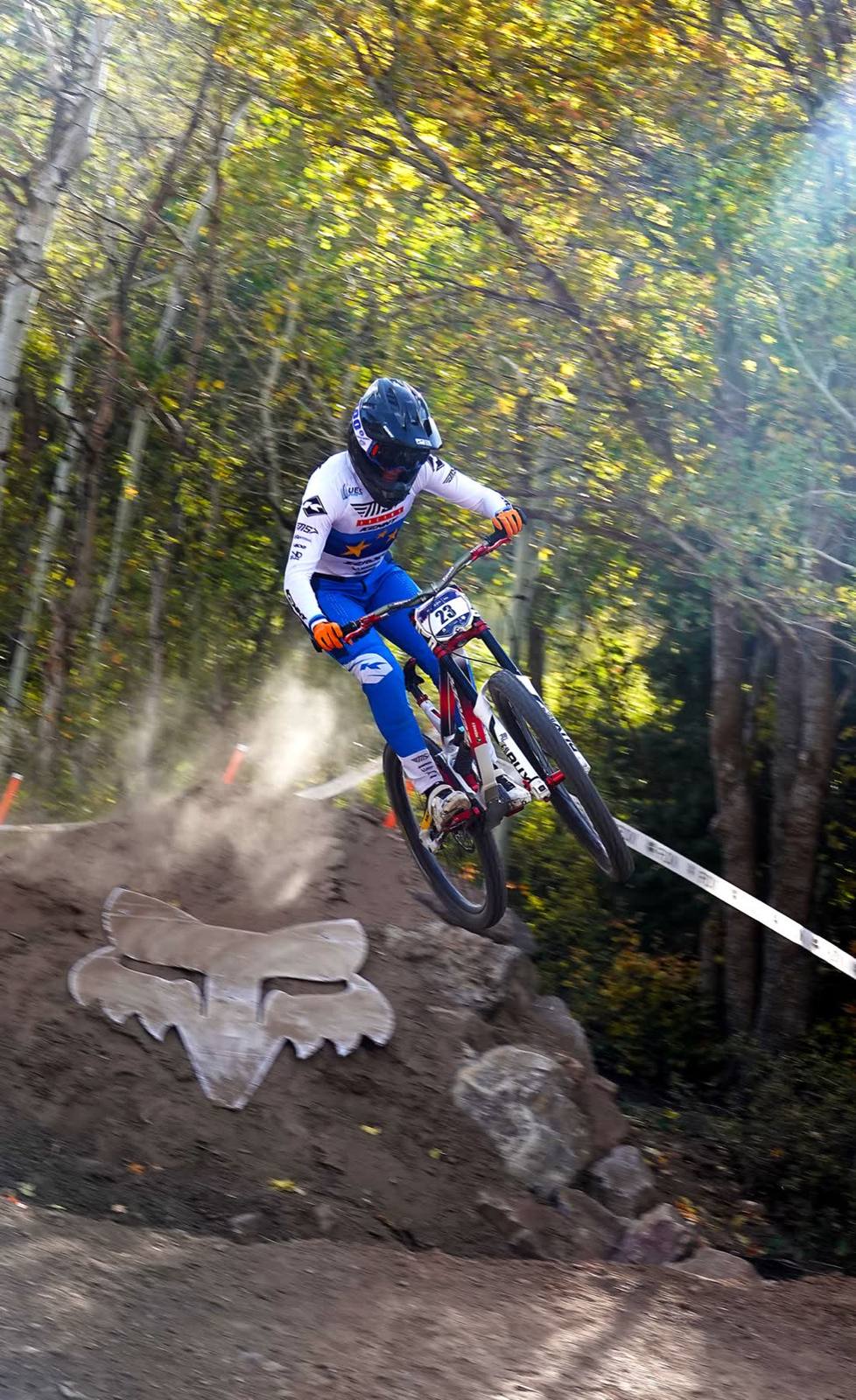
Her 2026, quickly: fourth in the UCI Downhill World Cup overall with 1,101 points, up from 11th and 612 the year before. Second in Mona Yongpyong, third in Lenzerheide, and five top-five finishes against one in 2025. European champion in Vitosha by 1.94 seconds, a year after missing that title by 0.20. Winner of the first Fox US Open. All of that with a zero at Loudenvielle, and she still finished just 19 points off third overall. It was her third full season of downhill.
The results are hers. What I can tell you is what her braking looked like on a screen, because our sensors were on her bike for the whole season, and for the pre-season before it.
She bought them herself
This didn't start with a contract. Gloria bought her own BrakeAce sensors. We met the team properly at Loudenvielle, then spent time in their pit at the US Open and Whistler, and helped remotely the rest of the season.
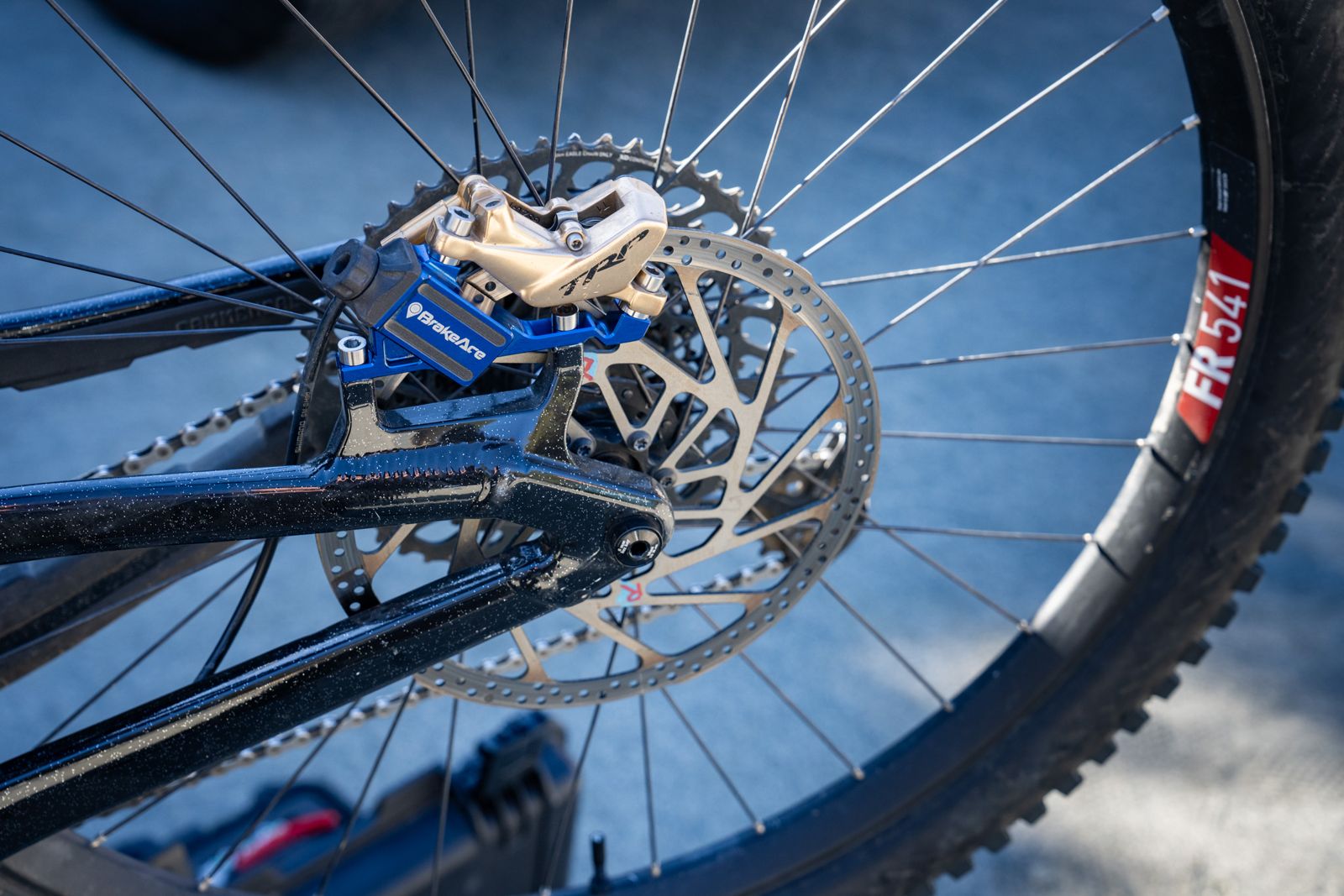
Most of the day-to-day data work fell to her mechanic, Marcello Pesenti. He uploaded the runs and synced the POV video with the brake data in our tools. Then the bit that counts. He sorts out what isn't important and hands Gloria the information that matters for the next run. If you like seeing how a World Cup mechanic thinks, his downhill and enduro YouTube channel (youtube.com/@marcellopesenti) is worth a look.
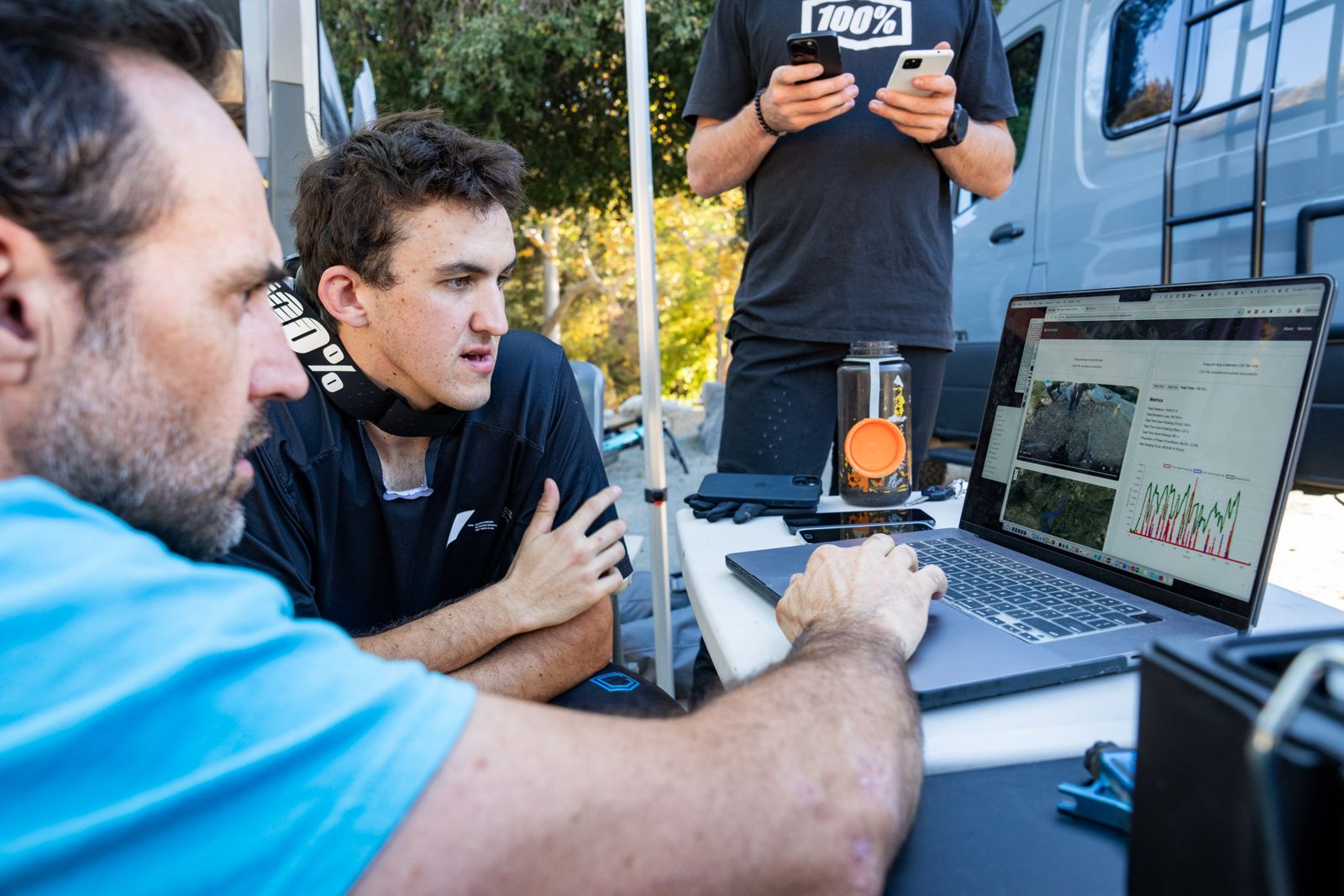
Why we were in the pit
We're racing fans first. When racers started using our sensors we set up a program to support them, and honestly, mostly we watched. It was obvious fast: syncing the brake data with video, and comparing runs, is critical. So we built tools to make both easier and faster.
We also saw how much data a racer has to keep track of. To simplify things, right after the US Open we built a Garmin (beta) app that makes the brake data easier to pull up. We like a bit of "build on Monday, race on Sunday": we started on the Monday, and she raced with it that Sunday at Whistler.
Seeing it changes it
We believe Gloria can feel what the bike is doing with the brakes. Over time she learned how she brakes, and now she has a really good technique, one that lets the bike work at its best.
Plenty of riders brake well by feel. But you can only be intentional about it once you can actually measure it and see what you've done. That's really what data does. It makes braking visible.
Brake taps and shadows
This one you can check on your own trail.
Almost everyone we've measured has little brake taps they don't remember making. Line them up with the video and a lot of them land in the same kind of place: a blind crest, a corner where you can't see the exit, a patch of trees where the light drops. Your fingers move because your eyes are short on information. The bike didn't ask for it.
On a trail you know, that's usually just time left on the hill. Once those taps show up on a graph, you get to decide whether they stay.
Getting up to speed
A race weekend gives you only a handful of runs, and you can watch a rider learn the track in the data. Early on, the number of braking events is high and all over the place. Once the rider has figured out the track it drops and settles, and so does braking time. That's when they've found their braking points and can start refining them. Our Flow Score goes down from the first run to the race run pretty much every time, so it's a pretty handy sign that someone is up to speed.
You can also see brake balance shift with traction and terrain. Put it next to other tracks and it flags whether a rider is really adjusted to this one.
Try it yourself
You don't need a pit for any of this.
- Lap one trail a few times in a session, same line, same bike.
- Find the taps you don't remember and check them against your video. Blind spots and shadows are the usual suspects.
- Count your braking events lap by lap. When the count stops jumping around, you've learned the trail. Now refine.
- Compare with your mates if you like, but bear in mind that bike weight and strength vary. Some riders can simply brake harder, or hold it for longer, and that's fine. Judge your progress against your own runs.
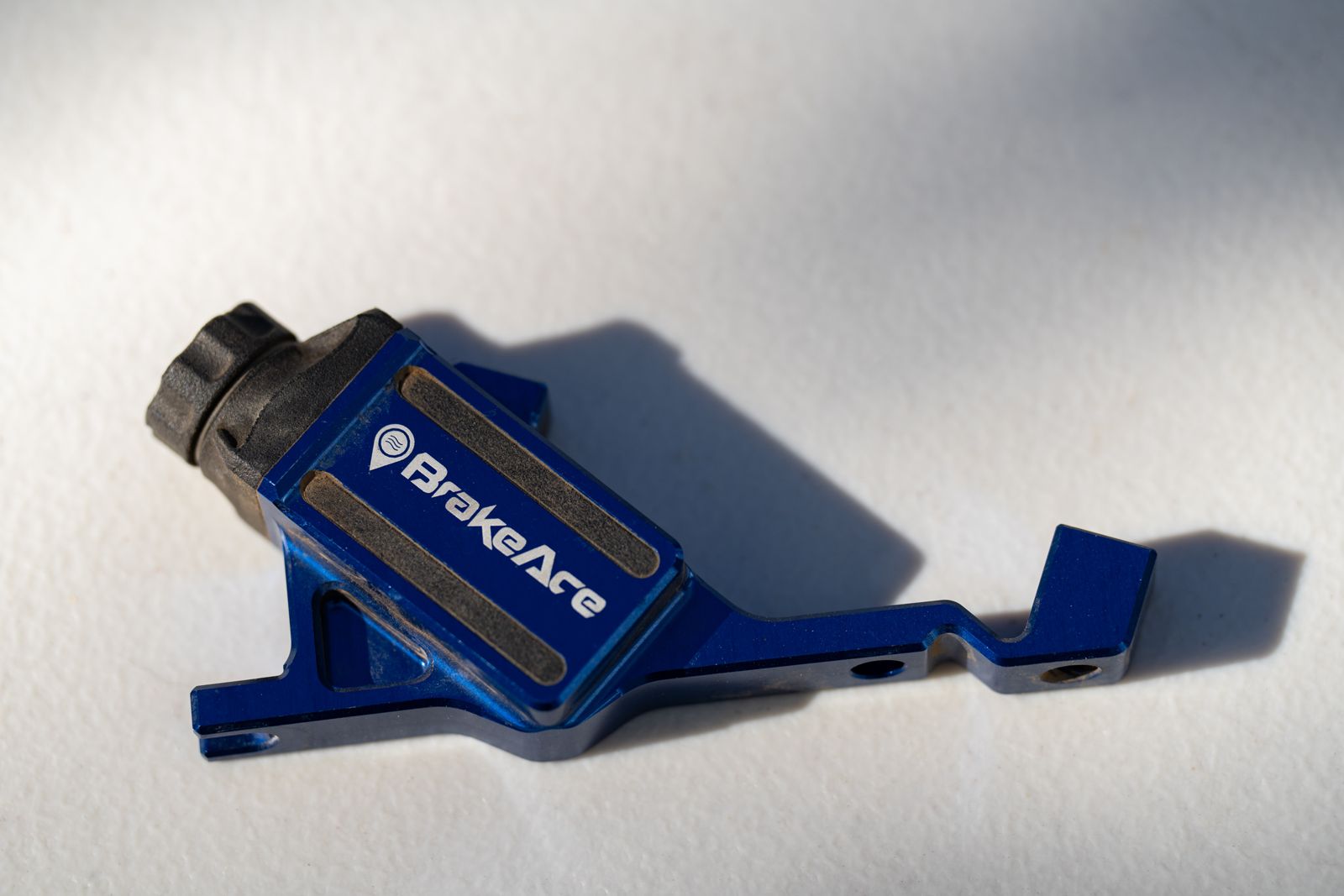
Grazie
None of this came from a sensor. It came from a rider who did the work on the hill, and a mechanic who made every run count. Our part was making the homework a bit quicker. Grazie, Gloria. Grazie, Marcello. And thanks to MS-Racing for letting us share the pit.
Disclosure: Gloria bought her own BrakeAce sensors. BrakeAce provided sensors with updated batteries at Loudenvielle and the US Open, plus technical support, during 2026.
BrakeAce for racing →